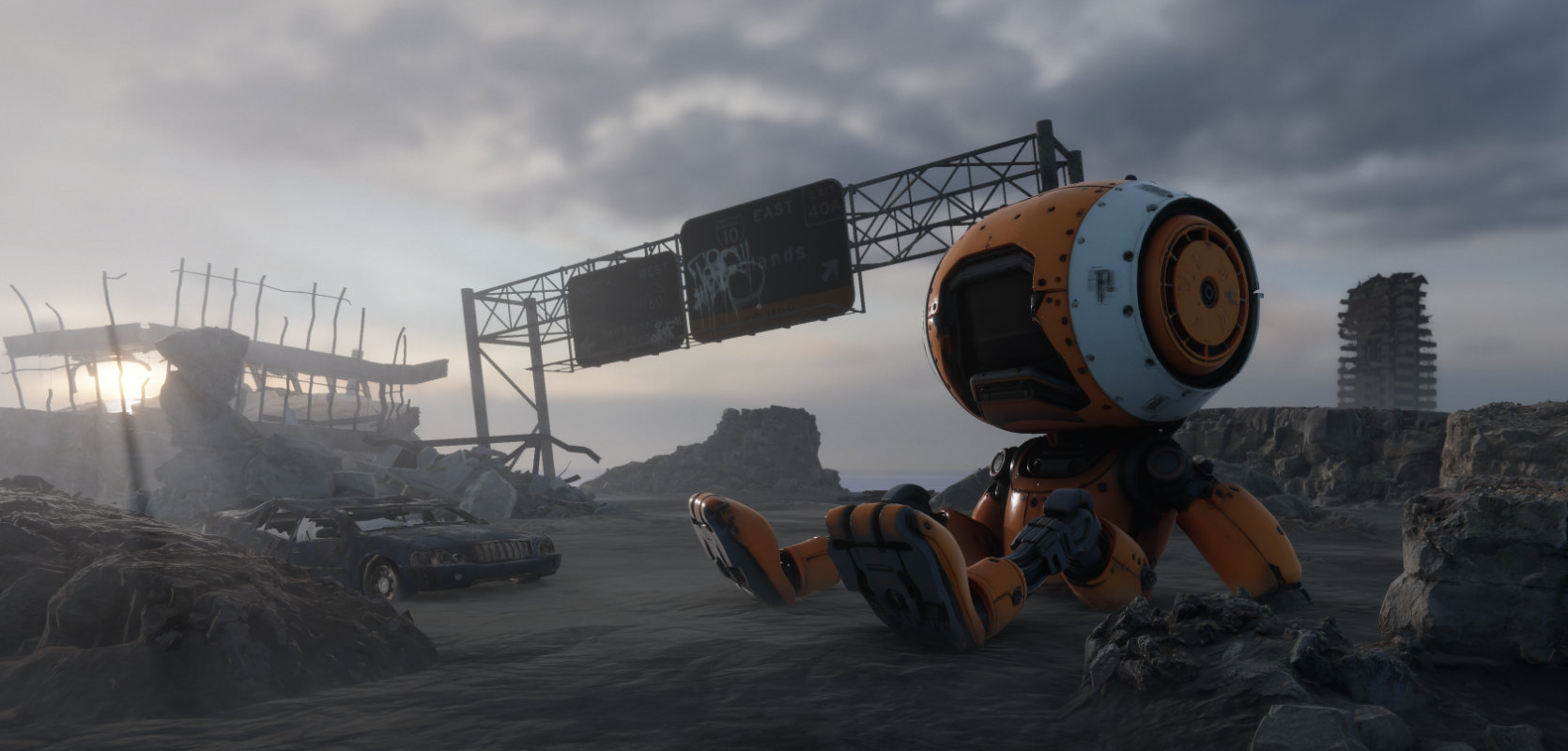
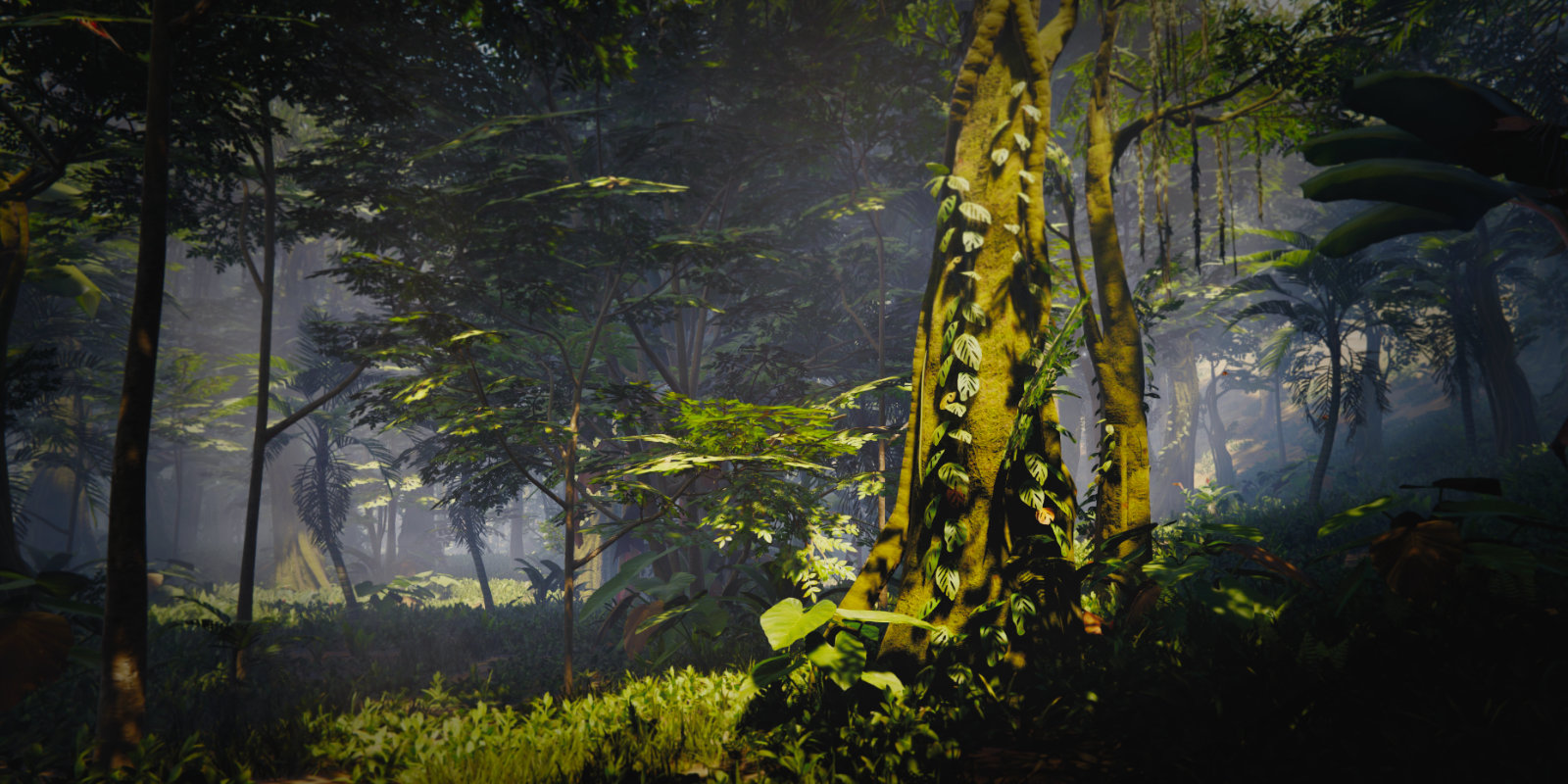
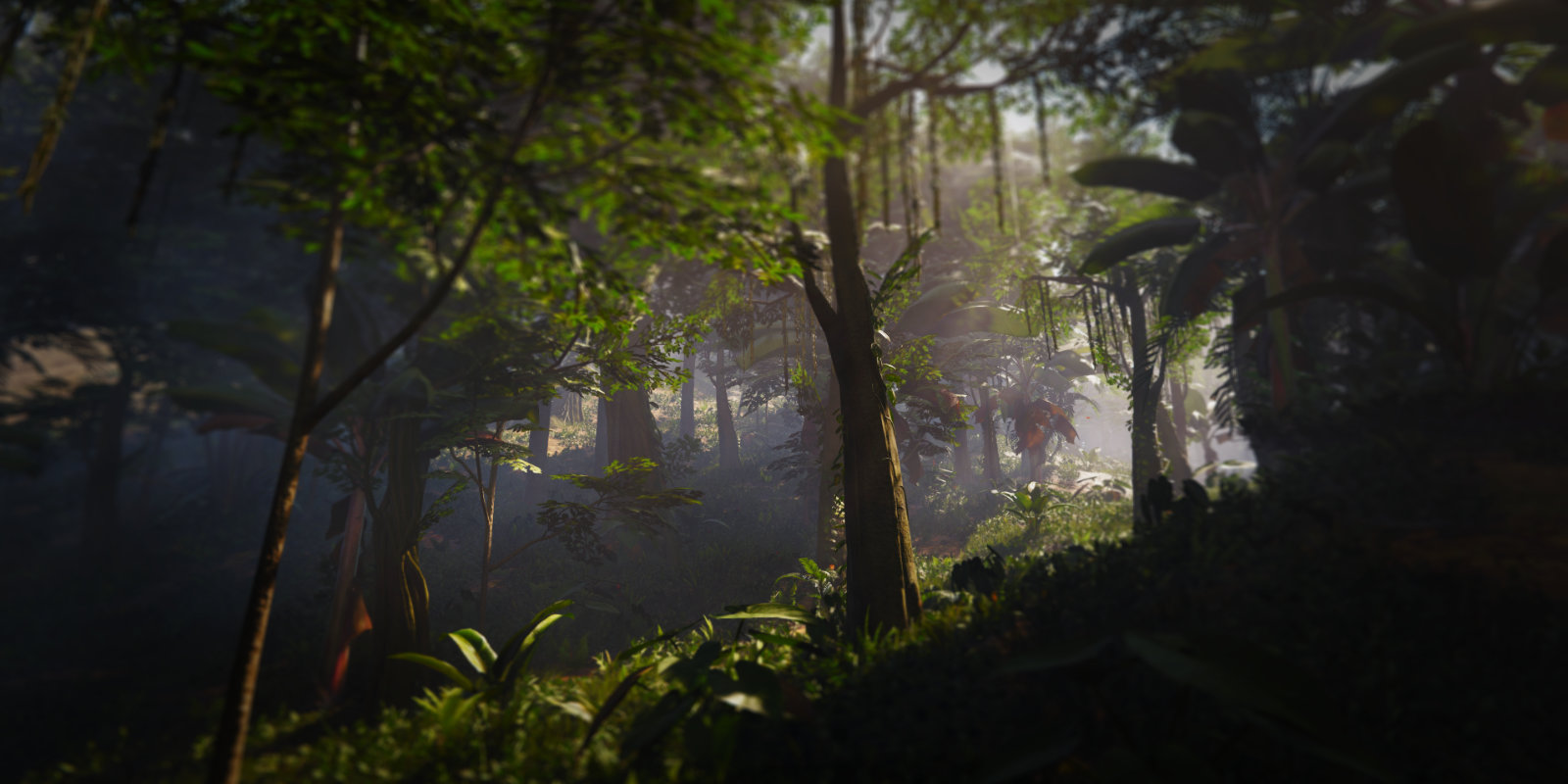
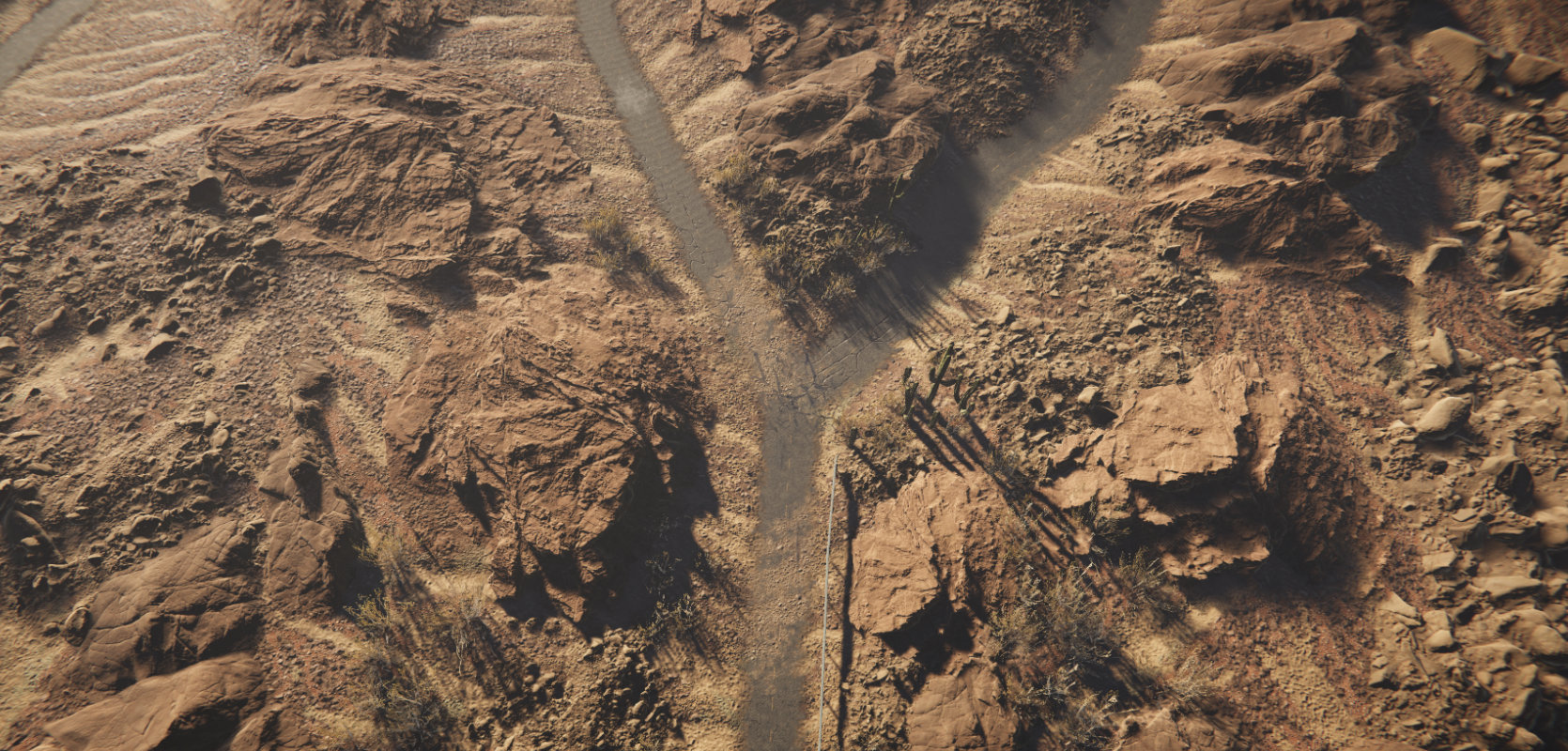
Create Worlds. Craft Legends!
One unified world-building system.
Storm replaces fragmented terrain, biome, structure, and optimization workflows with a single integrated framework for Unity, so your pipeline stays simple as your world grows.
Build bigger worlds, faster.
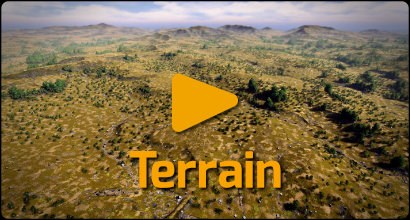
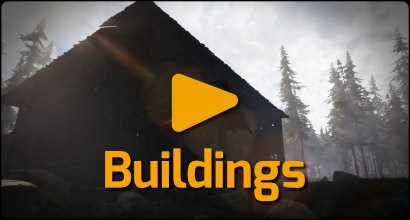
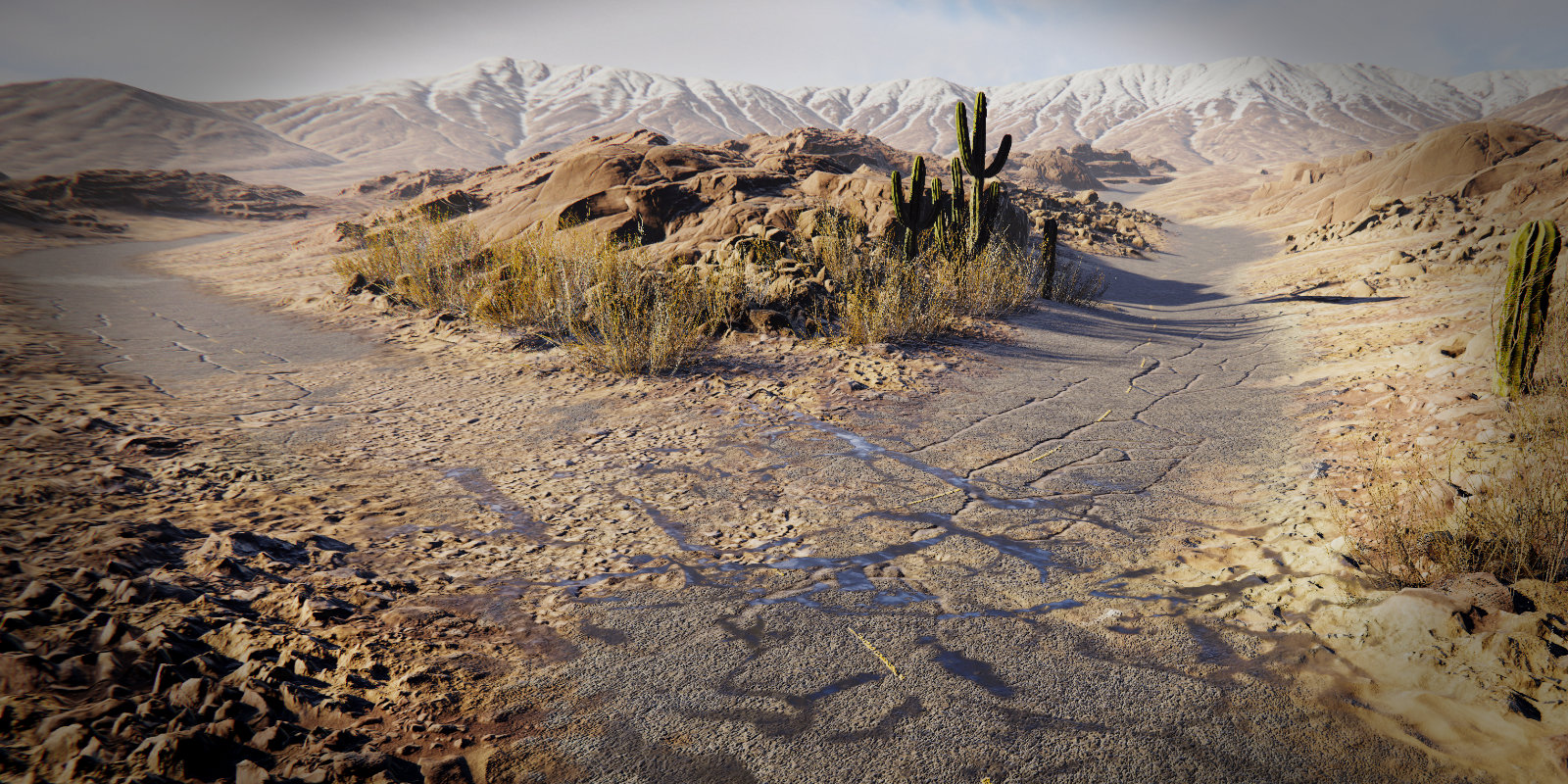
Generate advanced terrains, biomes, cities, buildings, and dungeons, or import real-world landscapes, all designed to scale without slowing iteration.
Work with the tools you already trust.
Storm integrates with existing art pipelines, Gaia Pro VS, and the World Building Bundle to enable faster experimentation, cleaner iteration, and fewer costly reworks.
Performance you can see and control.
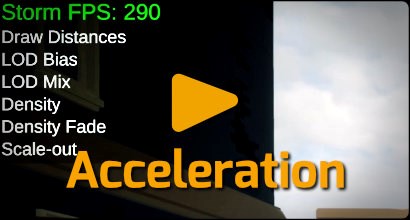
Storm’s render acceleration engine gives you powerful visualization, tuning tools, and non-destructive runtime generation for consistently high frame rates.
Built to scale with real projects.
From indie titles to multiplayer worlds, Storm supports optimized server builds and runtime control via APIs, so your world scales with your ambition, not against it.
Focus on the game.
Storm handles the heavy lifting, giving you the time and focus to create the gameplay that legends are made of.